If your marketing plan for 2027 currently looks like a list of social media ideas, events you might attend, emails you should probably send, and a few things you meant to try in 2026, you’re not alone.
A lot of small business marketing gets planned one month at a time. January arrives, so you figure out what to post in January. A promotion comes up, so you build a campaign around it. Business gets slow, so suddenly it’s time to try something new.
That makes it really easy to spend a lot of time doing marketing without being especially clear about what all of that marketing is supposed to accomplish.
Your 2027 marketing plan can be simpler than that.
You don’t need a giant strategy document or every social post mapped through December. You need enough of a plan to make good decisions about where your time, energy, and budget should go.
Here’s how I recommend building one.
Before you decide what to do in 2027, look at what actually happened in 2026.
You don’t need an exhaustive marketing audit. Start with a few basic questions:
Look at the numbers you have available, too. Website traffic, Google Search Console data, email performance, social media analytics, lead sources, sales, event attendance, and customer feedback can all help.
You’re looking for patterns, not a perfect attribution model.
The goal is to understand your starting point before you decide where to go next.
This is the step I see businesses skip most often.
Marketing goals should come from business goals.
If your business wants to increase recurring revenue, marketing should help generate and nurture the right recurring customers.
If you’re launching a new service, marketing needs to build awareness and demand for it.
If you have plenty of leads but struggle to convert them, generating even more leads might not be your biggest priority.
Start with two or three meaningful business goals for 2027.
Then ask:
What does marketing need to accomplish to help us get there?
That question gives you a much better foundation than starting with, “Should we post on Instagram more?”
You do not need to create a fictional customer named Marketing Mary who drinks oat milk lattes and enjoys hiking.
You do need to know who you're trying to reach.
Think about the customers, clients, donors, members, partners, or other audiences who matter most to your 2027 goals.
For each priority audience, ask:
Who are they?
What are they trying to accomplish?
What problem are they trying to solve?
What would make them choose you?
What questions do they have before they’re ready to act?
Where are they actually looking for information?
You may realize that different business goals require different audiences.
A professional services firm trying to win larger accounts, for example, might need a very different marketing approach than it uses to reach smaller existing customers.
That's useful. Your audience should influence what you do next.
Now you can finally start talking about tactics.
Look at your goals and audiences and decide which parts of your marketing deserve the most attention in 2027.
Your priorities might include things like:
Search visibility. Improving your website, local SEO, Google Business Profile, or content so more people can find you when they're actively looking.
Email marketing. Building your list, creating better nurture sequences, or communicating more consistently with people who already know you.
Content. Creating useful resources, articles, videos, case studies, or other content that builds visibility and trust.
Community and partnerships. Networking, events, sponsorships, referral relationships, speaking opportunities, or collaborations.
Customer experience and retention. Improving onboarding, follow-up, referrals, reviews, or communication with existing customers.
Paid promotion. Advertising, direct mail, sponsorships, or other paid ways to reach specific audiences.
You probably don't need all of them.
For a small business with limited time and budget, choosing three meaningful priorities is often much more useful than creating a giant list of things you could theoretically do.
One of the easiest ways to turn your strategy into decisions is to sort your current marketing into three buckets.
Stop: What are you doing because you've always done it, even though it isn't helping much?
Start: What is missing from your current marketing that could directly support your goals?
Keep: What's already working and deserves continued attention?
This is also where you give yourself permission to stop doing things.
Every new marketing idea costs something, even if that cost is just your time.
If you're adding three things to your 2027 plan and removing nothing, you probably haven't finished prioritizing yet.
Once you know your goals, audiences, and priorities, you can start mapping the year.
And this is where a marketing calendar actually becomes useful.
Start with the things you already know:
Product or service launches
Major events
Seasonal demand
Promotions
Fundraising periods
Important industry dates
Community events
Annual campaigns
Business milestones
Then work backward.
If you have a major event in May, when does promotion need to begin?
If Q3 is historically slow, what could you do in Q2 to build demand before you get there?
If the holidays are important to your business, when does that campaign actually need to start?
You don't need to know what you're posting on Instagram on October 14, 2027.
You need to know what October is for.
That distinction makes annual planning much more manageable.
This is the part that turns your nice planning document into something useful.
Look at January through March and decide what actually needs to happen first.
For each Q1 priority, identify:
What needs to be done?
Who owns it?
When does it need to happen?
What needs to happen before it can start?
How will you know whether it worked?
Keep this list realistic.
You might have 30 ideas for 2027. You don't need to begin all 30 in January.
Choose the handful of actions that create momentum toward your biggest goals.
This is worth repeating.
A content calendar tells you what you're publishing.
A marketing plan tells you why you're doing it, who you're trying to reach, what you're trying to accomplish, and how all of the pieces work together.
Social media might be part of your 2027 marketing plan.
So might Google Search, email, partnerships, events, direct mail, PR, referrals, advertising, your website, community involvement, customer retention, or something else entirely.
The right mix depends on your business.
That's why planning should start with the goal and work backward from there.
If you'd rather work through all of this with a template in front of you, I built a free 2027 Marketing Planner for small businesses and organizations.
It's a Notion workspace that walks you through:
2027 business and marketing goals, priority audiences, your marketing mix, Stop/Start/Keep decisions, a 2027 marketing calendar, a Q1 action plan, and an idea parking lot for everything that doesn't belong in the plan yet.
You can work through it in about 20 minutes and come away with a much clearer picture of where your marketing should go next.
Turn your goals, audiences, priorities, and big ideas into a practical plan for the year ahead with
Not sure whether your business needs a marketing consultant or a fractional CMO? Learn what each role does, where they differ, and how to choose the right level of marketing support for your business.
Read Now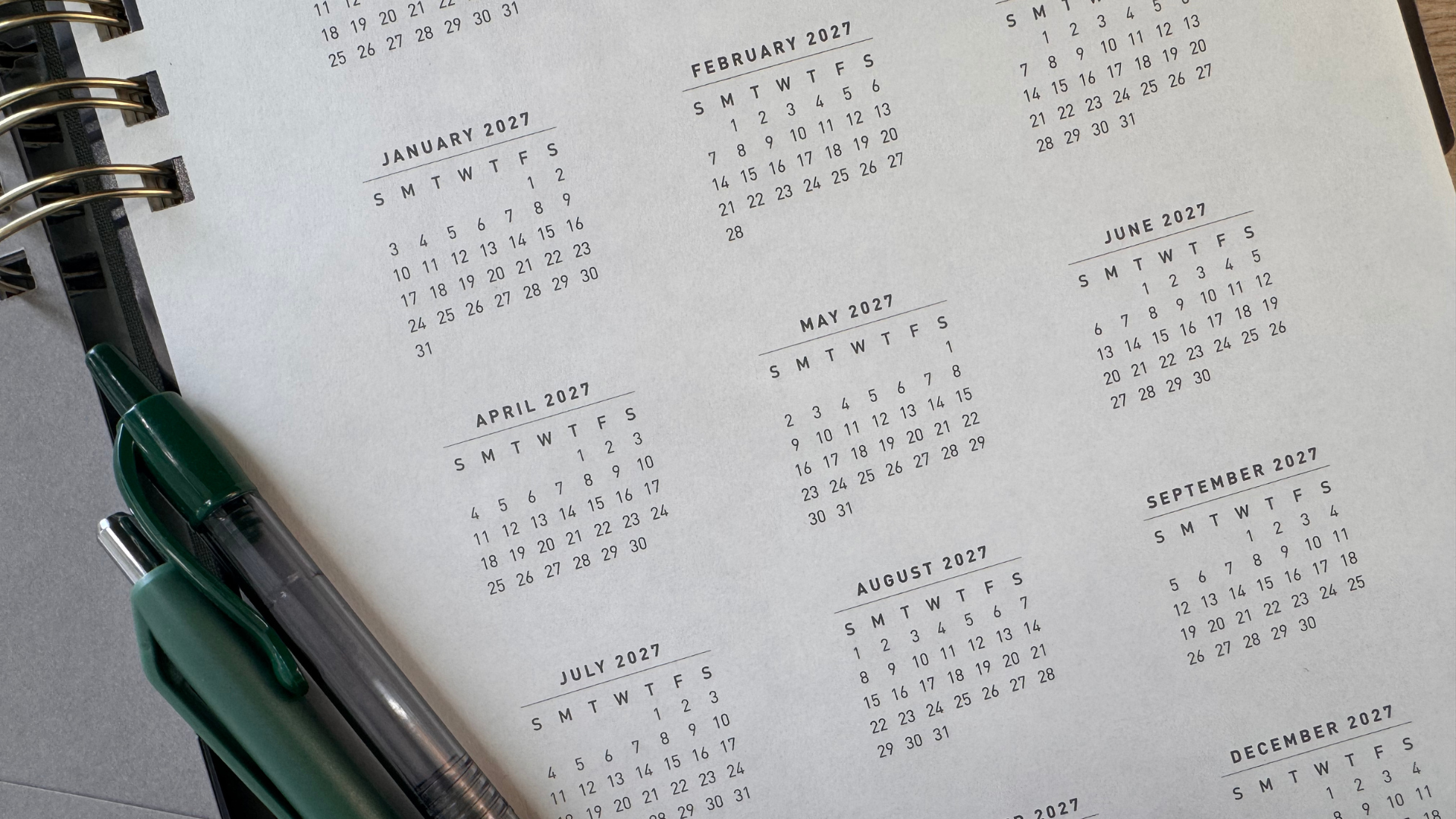
Build a practical 2027 marketing plan that connects your business goals to the audiences, priorities, campaigns, and actions that will actually move them forward.
Read Now
AI has become one of my favorite business tools. Here's a behind-the-scenes look at how I use it to brainstorm, build strategies, stay organized, and better serve my clients.
Read Now